![]() |
|||||||||||||||||||||||||||||||||||||||||||||||||||||||
|---|---|---|---|---|---|---|---|---|---|---|---|---|---|---|---|---|---|---|---|---|---|---|---|---|---|---|---|---|---|---|---|---|---|---|---|---|---|---|---|---|---|---|---|---|---|---|---|---|---|---|---|---|---|---|---|
COUNTRY OFFICE
|
WELCOME TO UNFPA NIGERIA |
||||||||||||||||||||||||||||||||||||||||||||||||||||||
View Larger Map |
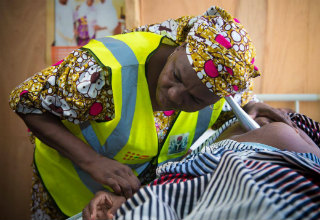
Photo 1: UNFPA Working In The Areas Of Reproductive Health And Rights Photo 2: UNFPA ED Babatunde Osotimehin with Minister of Health Prof. C.O Onyebuchi Chukwu |
|
|||||||||||||||||||||||||||||||||||||||||||||||||||||
|
Mailing Address: United Nations House, 617/618 Street Address: United Nations House, 617/618
Tel: Office Email:
Office Hours: Monday - Thursday 8.00am - 5.00pm Friday 8:00 am - 12:30 pm
|
UNFPA, the United Nations Population Fund, is an International Development Agency that promotes the right of every woman, man and child to enjoy a life of health and equal opportunity. UNFPA supports Countries in using population data for policies and programmes to reduce poverty and to ensure that every pregnancy is wanted, every birth is safe, every young person is free of HIV/AIDS, and every girl and woman is treated with dignity and respect. To assist the Millennium Development Goals, UNFPA seeks to promote Gender equality and Empower women, improve maternal health and Combat HIV/AIDS. UNFPA helps governments, at their requests to formulate policies and strategies to reduce poverty and support sustainable development. The Fund also assists countries to collect and analyse population data that can help them understand population trends and encourage governments to take into account the needs of future generations, as well as the present. The close link between sustainable development and reproductive health and gender equality, the other main areas of UNFPA’s work, were affirmed at the 1994 International Conference on Population and Development (ICPD) in Cairo. UNFPA’s work is guided by the Programme of Action (PoA) of the ICPD. At the Conference, 179 countries agreed that meeting the needs of Education and Health, including Reproductive Health, are pre-requisites to sustainable development over a long term. Consensus was also reached on the roadmap for progress with the following goals:
Reaching the Programme of Action is also essential for achieving the Millennium Development Goals (MDGs). The MDGs which are fully aligned with the ICPD roadmap, have the overarching aim of reducing extreme poverty by 2015. UNFPA brings its technical expertise in reproductive health and population issues to the world wide collaborative effort of meeting the Millennium Development Goals. Early Marriage in Nigeria
Building Support As the world’s leading multilateral agency on population, UNFPA is the most prominent international advocate for reproductive health and rights, including the right to choose the number, timing and spacing of one’s children. Working in partnership with other United Nations, Agencies, Governments, Communities, NGOs, Foundations and the private sector, the Fund raises awareness and mobilises the support and resources needed to reach the targets set forth at the International Conference on Population and Development and in the Millennium Development Goals. UNFPA’s Global Reach UNFPA supports programmes in Arab States, Europe, Central Asia; Asia and the Pacific; Latin America and the Caribbean; and sub-Sahara Africa. We work in over 140 countries, areas and territories through nine Country Technical Services Teams and 112 country Offices. Three quarter of UNFPA staff work in the field. Areas of work
|
||||||||||||||||||||||||||||||||||||||||||||||||||||||